
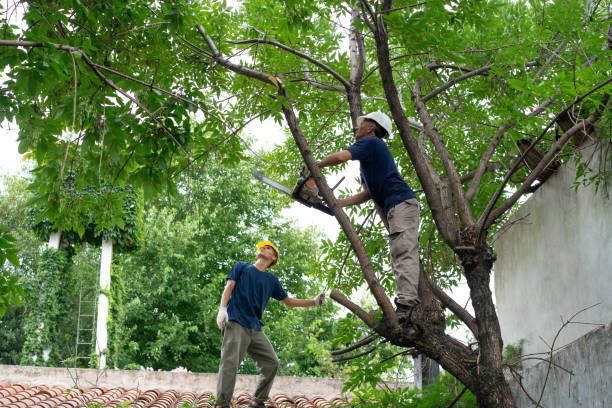
There’s a particular kind of dread that sets in when a Folsom homeowner looks out their window after a winter storm and sees a massive oak limb resting against their roof — not quite through it, but close enough to make their stomach drop. The scary part? That limb didn’t become dangerous overnight. It had been dead for two seasons, slowly weakening, waiting for the right wind to let go. A single trimming appointment could have prevented the whole ordeal.
This is the reality that most property owners in Folsom, CA don’t think about until something goes wrong. Trees are living infrastructure. They grow, they age, they develop disease, and when they’re left unmanaged, they become liabilities. Capital Carpentry has worked with hundreds of Folsom-area homeowners and commercial property managers who discovered — sometimes painfully — that routine tree maintenance isn’t optional. It’s one of the smartest investments you can make in your property.
The Folsom Climate Creates Specific Tree Hazards Most People Underestimate
Folsom sits in a zone where hot, dry summers bake the landscape for months, followed by wet winters that can bring intense wind events and heavy rainfall. That seasonal cycle is harder on trees than most residents realize. During the summer drought months, trees under stress become more susceptible to bark beetle infestations, fungal disease, and interior decay — all of which are invisible from the ground until a branch gives way.
When the rains return, waterlogged soil loosens root anchoring. A tree that looked perfectly stable in August can become structurally compromised by February. Combined with the region’s periodic atmospheric river events — which have grown more frequent and intense in recent years — Folsom trees face real cyclical stress that shortens their healthy lifespan without proper professional arboricultural services.
The communities surrounding Folsom, including El Dorado Hills, Granite Bay, and Orangevale, face similar conditions. Mature tree maintenance across this entire corridor requires seasonal awareness, not just a one-time trim when things start looking overgrown.
What “Tree Trimming” Actually Covers — and Why the Difference Matters
A lot of homeowners think of tree trimming as purely cosmetic — a way to keep things tidy. That misunderstanding is exactly why so many trees become hazards. Professional tree trimming services in Folsom and pruning encompasses a range of technical services, each serving a distinct purpose:
Crown Thinning Services remove select branches throughout the canopy to improve airflow and light penetration. This reduces wind resistance dramatically, which is critical in areas like Folsom that experience Diablo wind conditions in fall and spring.
Crown Raising and Pruning lifts the lower canopy to create clearance over structures, driveways, and pedestrian areas. A canopy dragging across your roof line isn’t just unsightly — it’s a pathway for moisture and pests directly into your home.
Dead Branch Removal eliminates branches that no longer carry vascular tissue. These aren’t dormant — they’re done. Dead wood becomes brittle and unpredictable, and it’s often where decay organisms first take hold in an otherwise healthy tree.
Tree Canopy Reduction scales back overall size for trees that have outgrown their space, reducing load on aging root systems and preventing encroachment on power lines, neighbor property, and rooflines.
Hazardous Limb Removal addresses branches with structural defects — included bark, poor attachment angles, or visible cracks — that pose immediate risk regardless of the tree’s overall health.
Each of these requires trained judgment. A certified arborist in Folsom evaluates the whole tree system, not just what’s visually obvious at eye level.
The Hidden Property Damage That Starts Long Before a Branch Falls
By the time a branch causes visible damage, the problem has usually been building for years. Here’s what most homeowners never connect back to their trees:
Roof damage from branch contact is one of the most underreported sources of premature shingle wear in Folsom’s older neighborhoods. Branches that rub across asphalt shingles during wind events abrade the protective granule layer, opening the underlying mat to UV degradation and moisture intrusion. You won’t see the damage until water starts showing up inside.
Foundation cracking is another concern, particularly with older valley oak and liquid amber specimens common throughout Folsom’s residential areas. Aggressive surface roots follow moisture gradients toward irrigation lines, sewer pipes, and even concrete slabs. Routine tree health assessment can identify problematic root development before it becomes a plumbing or structural repair.
Gutter systems are routinely destroyed by overhanging limbs — both by physical contact and by the debris load from unmanaged canopies. A single large valley oak left untrimmed for five years can deposit enough organic material into a gutter system to cause localized fascia rot and soffit damage costing several thousand dollars to repair.
The irony is that all of these outcomes are preventable with seasonal tree maintenance that costs a fraction of the repair bills they generate.
Tree Disease Prevention — Folsom’s Overlooked Epidemic
Sudden Oak Death, caused by the pathogen Phytophthora ramorum, has been a documented threat in Northern California for over two decades. While Folsom’s drier microclimate provides some buffer compared to coastal counties, the risk is real — especially in years with above-average rainfall. Equally concerning is the spread of anthracnose fungal infections, which affect sycamores, oaks, and ash trees across the Sacramento foothills region.
Professional tree pruning helps manage these risks in two important ways. First, proper pruning cuts made at the correct angles and locations heal cleanly, rather than leaving entry points for fungal spores and bacteria. Second, removing infected wood before disease spreads through the vascular system can preserve trees that would otherwise require complete removal. Tree preservation techniques developed through certified arboricultural practice give your trees a fighting chance against what is increasingly a year-round biological threat.
If you notice dark, sunken areas on bark, unusual leaf drop outside of autumn, cankers at branch unions, or a white powdery residue on leaf surfaces — don’t wait. These are signs that warrant an immediate tree risk assessment, not a note to call someone “eventually.”
How Regular Trimming Protects More Than Just Your Trees
The value of consistent residential tree trimming in Folsom9 extends well beyond the trees themselves. Consider what’s actually at stake:
Property value is directly affected by canopy health. Mature trees on a property can add 10–20% to assessed value according to multiple real estate studies, but only when they’re healthy and well-maintained. An overgrown, diseased specimen is a liability that depresses value.
Homeowner’s insurance is an area many Folsom residents don’t think about until it’s too late. Insurers have become increasingly strict about tree-related claims, and several carriers now require documentation of maintenance history before paying out storm damage claims that involve trees. A professional tree care service creates that paper trail.
Neighbor relations are another consideration. Overhanging branches and surface roots that cross property lines create legal exposure in California. Under state property law, a neighbor whose property is damaged by a tree that the owner knew or should have known was hazardous may have grounds for a civil claim. Documented, routine tree maintenance is one of the clearest demonstrations of due diligence.
Wildlife habitat benefits from thoughtful trimming as well. Properly maintained trees provide better nesting structure and are less likely to fail catastrophically, preserving habitat continuity in Folsom’s tree corridors near the American River Parkway.
Commercial Tree Care in Folsom — The Stakes Are Higher
For commercial properties, retail centers, and HOA-managed communities in the Folsom area, the calculus around tree maintenance becomes even more serious. A falling branch in a parking lot or on a walking path creates liability exposure that no business wants to deal with. Commercial tree care services provided by experienced professionals are not a luxury expense — they’re part of responsible asset management.
Capital Carpentry works with commercial clients throughout Folsom and the surrounding Sacramento County corridor, providing scheduled landscape tree maintenance programs that keep properties both safe and visually polished. Tenants notice. Customers notice. And when something goes wrong, documented service history is your best protection.
Storm Damage Tree Cleanup — When Waiting Costs More
Folsom residents who’ve lived through a significant rain event know how quickly storm damage can escalate. A tree that partially fails during a storm — with large limbs suspended in the canopy or leaning against a structure — is more dangerous than one that fell completely. These “widow makers” are unpredictable and require emergency tree trimming services from professionals who understand how to safely dismantle compromised wood under tension.
After any significant storm, a prompt property walkthrough to assess tree condition is one of the most important things a homeowner can do. Don’t assume that because nothing fell, nothing is wrong. Branch unions that were stressed but didn’t fail are often weaker afterward and represent elevated risk in the next weather event.
Choosing the Right Tree Service in Folsom — What to Actually Look For
The market for tree services in Folsom ranges from legitimate, certified operations to unlicensed individuals who own a chainsaw and a truck. The difference isn’t always obvious from a Craigslist ad, but it becomes painfully clear after the work is done.
When evaluating any tree care company, ask specifically whether they employ or consult with a certified arborist. The ISA (International Society of Arboriculture) credential requires demonstrated knowledge of tree biology, pruning standards, and safety practices. This isn’t bureaucratic box-checking — it’s the difference between a cut that helps a tree heal and one that creates a decay column that hollows out the trunk over the next decade.
Ask about their approach to tree health assessment before any work begins. A company that shows up and starts cutting without walking the property first and discussing what they’re seeing isn’t providing arboricultural service — they’re providing labor.
Capital Carpentry brings that professional depth to every project in Folsom, combining practical experience with the kind of site-specific evaluation that protects both your trees and your property long term.
Seasonal Timing — When Folsom Trees Need Attention Most
Many homeowners assume spring is the ideal time for all tree trimming. The reality is more nuanced. Different species and different goals call for different timing:
Late winter, before bud break, is generally ideal for structural pruning of most deciduous trees. The tree’s energy is still stored in the root system, wounds callus more quickly in the warming weather that follows, and with leaves absent, the tree’s branch architecture is clearly visible.
Summer trimming is appropriate for certain objectives — particularly crown thinning for mature oaks that need increased light penetration, and removal of any dead or diseased wood that becomes more apparent when surrounding foliage is healthy.
Fall is generally the period to avoid heavy pruning for most species, as wound closure slows and fresh cuts can attract bark beetles that are still active before the first hard freeze.
Year-round monitoring for hazardous limb removal and dead branch removal is always appropriate, regardless of season. Structural hazards don’t wait for the optimal pruning window.
Internal Resources Worth Exploring
If you’re managing a larger property or considering a full landscape assessment, Capital Carpentry also provides guidance on related services including storm damage cleanup, landscape maintenance programs, and property safety tree service evaluations. Homeowners managing mature trees near structures may also find value in scheduling a comprehensive tree risk assessment as a standalone service before committing to a broader maintenance program.
A Note on Cost — What Tree Trimming Actually Saves You
The most common hesitation homeowners express about professional tree trimming is cost. And it’s a fair conversation. But the math tends to look very different when you account for what deferred maintenance actually costs.
A routine crown thinning and dead branch removal for a mature oak in Folsom typically runs a few hundred dollars, depending on size and access. Compare that to a single emergency call after storm damage — which carries after-hours premium pricing, potential crane costs, and debris hauling — often running several times more expensive. Then add the potential repair costs to whatever the tree damaged on the way down.
Affordable, preventive tree maintenance isn’t just the responsible choice for your property — it’s almost always the cheaper one over any meaningful time horizon.
Conclusion
Folsom is a city that takes genuine pride in its landscape. The oak-studded neighborhoods, the green corridors along the American River, the mature street trees lining older residential streets — these aren’t incidental. They’re part of what makes this community worth living in. But that landscape only stays an asset when it’s actively maintained.
The trees on your property don’t stay static. They grow, they stress, they age, and without routine professional pruning and health monitoring, they gradually shift from beautiful natural features into unpredictable hazards. The good news is that with the right care at the right intervals, most trees will live healthy, stable lives for decades — providing shade, habitat, and real property value throughout.
Capital Carpentry is here to help Folsom homeowners and commercial property owners get there. Whether you’re due for routine seasonal tree maintenance, dealing with a specific concern about a particular tree, or recovering from recent storm damage, our team brings the expertise and local knowledge your property deserves.
Don’t wait for a branch to make the decision for you. Reach out to Capital Carpentry today to schedule a professional tree health assessment and take the first step toward a safer, more beautiful property.
Frequently Asked Questions
How often should trees on my Folsom property be professionally trimmed?
For most residential trees in the Folsom area, a professional inspection and trimming cycle of every two to three years is a reasonable baseline. However, this varies significantly depending on species, age, proximity to structures, and the tree’s current health status. Fast-growing species like liquid amber and some eucalyptus varieties may need annual attention, while slower-growing oaks might thrive with less frequent intervention. The most reliable approach is having a certified arborist assess your specific trees and recommend a schedule based on what they actually observe — not a generic calendar.
What are the warning signs that a tree on my property needs immediate attention?
Several indicators warrant prompt professional evaluation rather than a wait-and-see approach. Visible cracks or splits at major branch unions, bark that is sunken, oozing, or discolored, large dead branches in the upper canopy, a noticeable lean that has changed or developed recently, and fungal growth (mushrooms or conks) at the base or on the trunk are all red flags. In Folsom’s climate, watch especially for these signs following summer drought stress and after the first significant rain events of the season.
Does tree trimming actually help prevent disease, or is that just a selling point?
It’s genuinely effective prevention when done correctly. Proper pruning removes the entry points and compromised tissue that fungal pathogens and bacterial infections use to establish themselves. Clean cuts made at the right location encourage rapid wound closure, limiting the window during which a tree is vulnerable. Removing infected wood before disease moves into the vascular system can save trees that would otherwise be lost. The caveat is that improper cuts — flush cuts, stub cuts, or cuts that strip bark — actually increase disease vulnerability. This is precisely why technique matters and why certified arboricultural services produce meaningfully different outcomes than a basic yard crew with pruning shears.
I have a very large, old oak near my house. Is it too late to start maintaining it?
Rarely. Mature trees can benefit substantially from professional pruning even after years of neglect, though the approach needs to be more conservative. Aggressive cuts on a large, established tree can trigger stress responses that do more harm than good. A certified arborist will typically recommend a phased approach over two to three seasons — removing the most critical hazards first, then gradually improving the tree’s structure and health as it demonstrates recovery capacity. The goal with mature tree maintenance is almost always preservation, not correction to some ideal form.
What’s the difference between tree trimming and tree topping — and why does it matter?
Tree topping — the practice of cutting back main branches to stubs, often done to reduce height quickly — is widely condemned by arboricultural professionals and causes serious long-term harm. Topped trees respond by producing rapid, weakly attached epicormic growth that is far more hazardous than the original canopy. They also become highly vulnerable to disease through the large unprotected wounds topping creates. Legitimate crown reduction, by contrast, removes branches back to suitable lateral branches, preserves the tree’s natural form, and produces wounds that the tree can successfully compartmentalize. If someone quotes you a job and describes the approach as “topping” the tree, that’s a significant warning sign.
How do I know if a company offering tree trimming services in Folsom is actually qualified?
Start by asking whether they employ a certified arborist — specifically an ISA-certified arborist — and whether that person will be involved in assessing and directing the work on your property. Ask for proof of liability insurance and workers’ compensation coverage; tree work carries real injury risk, and an uninsured crew working on your property creates legal exposure for you if someone is hurt. Request references from past clients in the Folsom area, and be wary of any company that provides a quote without first walking your property and discussing what they’re observing. Price alone is a poor guide in this industry — the cheapest quote often reflects a lack of proper credentials, insurance, or technique that you’ll pay for later.