

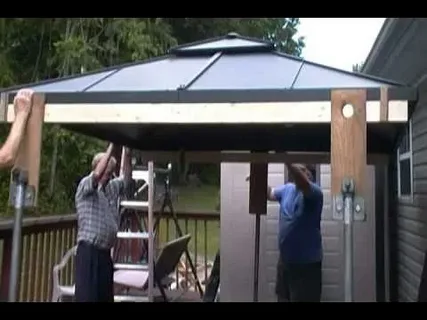
Need gazebo assembly services in Folsom? Learn about gazebo types, costs, site prep, and how to find a reliable local installer for your backyard project.
A gazebo has a way of making a backyard feel complete. It gives you a shaded spot to sit during Folsom’s long, warm summers. It creates a defined outdoor living space that works for family dinners, weekend gatherings, or just a quiet place to have your morning coffee without squinting at the sun. Done right, it adds genuine appeal and usable space to your property without a major construction project.
But getting a gazebo installed is not as straightforward as it might look. The site needs to be properly prepared. The foundation matters more than most people realize. Assembly instructions vary wildly in quality, and a gazebo that’s not anchored and leveled correctly will shift, sag, or come apart in the first real wind event Folsom sees. Hiring someone who knows what they’re doing is the difference between a structure you enjoy for twenty years and one you’re calling someone to fix within the first season.
We work with Folsom homeowners on outdoor structure projects regularly, from deck construction to pergola builds to gazebo installation. At Capital Carpentry, we’ve assembled and built gazebos on properties of every size and configuration in this area, and we want you going into this process knowing what actually matters.
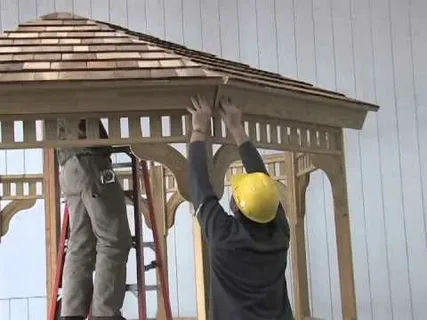
Why Gazebo Installation in Folsom Is More Involved Than Most People Expect
Folsom has a climate that most Californians would describe as ideal — warm, dry summers, mild winters, and plenty of sunshine for most of the year. That outdoor-friendly climate is exactly why backyard structures are so popular here. But that same climate creates specific requirements for gazebo installation that aren’t always obvious upfront.
The heat in Folsom during summer months puts real stress on wood. Species that hold up well in coastal California or in wetter climates can dry, crack, and splinter in the Sacramento foothills if they weren’t treated and finished properly at installation. Wind events, while not constant, do move through the area — a gazebo that wasn’t anchored with the right footings or hardware can shift or tip in conditions that a well-installed structure handles without any issue.
Soil conditions also vary across Folsom properties. Some areas have stable compacted soils that support concrete footings well. Others have expansive clay soils that shift seasonally and require deeper or wider footings to keep a structure level over time. A professional who has worked on properties throughout Folsom knows how to assess site conditions before any installation begins, not after something has already settled unevenly.
According to the American Society of Landscape Architects, outdoor living spaces — including shade structures like gazebos and pergolas — consistently rank among the most requested features in residential landscape projects across the western United States. For Folsom homeowners who spend real time outdoors, a properly installed gazebo extends the usability of that space through the hottest months and into cooler evenings when the temperature finally drops.
Types of Gazebos and What Each One Requires
Not all gazebos are the same, and the type you choose shapes both the installation requirements and the long-term maintenance of the structure.
Freestanding wood gazebos are the traditional choice. They’re built from lumber — typically cedar, redwood, or pressure-treated pine — and can be either kit-built from pre-cut components or custom-built from scratch. Wood gazebos look natural and can be stained or painted to match existing structures on the property. They require periodic maintenance — resealing or repainting every few years — to perform well in Folsom’s climate.
Hardtop metal gazebos use a steel or aluminum frame with a solid roof panel, typically galvanized or powder-coated for weather resistance. They’re more resistant to the elements than fabric-roof models and require less maintenance than wood. Assembly is more complex than it looks from the box, and proper anchoring is critical given the weight of the roof panels.
Vinyl and composite gazebos offer lower maintenance than wood with a similar aesthetic. They won’t rot, don’t need to be repainted, and hold up well in UV exposure. The material cost is higher, but the long-term maintenance savings are real for homeowners who want a set-it-and-forget-it structure.
Screened gazebos add an enclosure with screen panels or curtains that block insects while maintaining airflow. These are increasingly popular in Folsom for evening use when mosquitoes are active near the American River Parkway and surrounding areas. The screening adds complexity to assembly and requires careful installation to avoid gaps that defeat the purpose.
What Gazebo Assembly Services in Folsom Actually Involve
Understanding what a professional installation covers from start to finish helps you evaluate whether a contractor’s scope of work is complete or missing important steps.
Site assessment is the starting point. A professional installer walks the intended location, checks ground slope and drainage, assesses soil conditions, and confirms there are no underground utilities in the area where footings will be placed. California requires a call to 811 before any digging — a contractor who skips this step is creating real liability for both of you.
Foundation work follows the assessment. Most permanent gazebo installations in Folsom use either concrete piers poured at each post location or a concrete slab. The choice depends on the gazebo size, the soil conditions, and the homeowner’s preference. Concrete piers are less expensive and less disruptive to the existing yard. A full slab gives a more finished look and works well when the gazebo will have furniture and a defined floor surface.
The assembly itself follows after the foundation has cured. For kit gazebos, this involves following manufacturer instructions precisely — which matters more than most people realize. Post-to-beam connections, roof panel installation, and hardware torque specifications all affect how the finished structure performs in wind and over time. For custom-built gazebos, the framing, roofing, and finish work all happen on-site.
Anchoring and finishing complete the installation. Every post needs to be properly anchored to its footing, all hardware needs to be set and tightened, and any cut wood surfaces need to be sealed against moisture intrusion. A final inspection — checking for level, square, and secure connections throughout — is what a professional installation ends with.
Gazebo Costs and What Affects the Price in Folsom
Getting a clear picture of what gazebo projects actually cost in this area helps you plan your budget and evaluate proposals fairly.
| Gazebo Type | Typical Installed Cost | Timeline | Key Cost Factor |
| Small kit gazebo (10×10) | $1,500 – $3,500 | 1–2 days | Foundation type, anchoring |
| Mid-size hardtop gazebo (12×14) | $3,500 – $7,000 | 2–3 days | Roof panel weight, footing depth |
| Large wood kit gazebo (14×16+) | $5,000 – $10,000 | 3–5 days | Wood species, site prep |
| Custom built gazebo | $8,000 – $20,000+ | 1–3 weeks | Design complexity, materials |
| Screened gazebo addition | +$800 – $2,500 | +1 day | Frame type, screen quality |
Homeowners looking for the best gazebo installation in Folsom should get written estimates that separate site preparation, foundation work, and assembly labor from each other so they can see exactly where the money is going.
Permits and HOA Rules for Gazebos in Folsom
This is an area where homeowners frequently get caught off guard, and it’s worth understanding before you purchase a gazebo or sign a contract.
The City of Folsom requires building permits for most permanent outdoor structures. Gazebos that are anchored to the ground with concrete footings or a slab, or that exceed a certain square footage, typically require a permit and inspection. The specific threshold depends on the structure’s size and how it’s attached, so checking with Folsom’s Building and Safety Division before starting the project is the right move.
If your property is in an HOA community — and a significant portion of Folsom’s residential areas are — you’ll need approval from the HOA before installing a gazebo. Most HOAs have requirements about structure height, setback from property lines, material finishes, and color. Getting that approval in writing before installation begins protects you from having to modify or remove the structure after the fact. Expert Gazebo assembly services in Folsom that include permit handling and HOA documentation support save homeowners real time and stress during this process.
Your installer should be familiar with Folsom’s permit requirements and able to advise you on what your specific project will need. A contractor who tells you permits aren’t required for a permanent anchored structure in Folsom without verifying it with the city is not giving you reliable guidance.
Choosing the Right Wood and Finish for Folsom’s Climate
For wood gazebos specifically, material selection makes a significant difference in how long the structure looks good and how much maintenance it needs over time.
Cedar and redwood are the top choices for Folsom’s climate. Both species contain natural oils that resist moisture and insect damage, and both hold up well in the combination of dry heat and UV exposure that characterizes summer in the Sacramento foothills. A cedar or redwood gazebo that’s properly sealed at installation and resealed every three to five years will look good for decades.
Pressure-treated pine is a more affordable alternative that works well for structural components and any members that sit close to or in contact with the ground. It’s more susceptible to checking and surface weathering than cedar or redwood, so a quality exterior stain or sealant applied at installation is important.
Whatever wood species is used, the finish applied at installation sets the tone for how much maintenance the structure will need going forward. A quality penetrating oil or film-forming sealant applied to all surfaces — including cut ends and drilled holes — creates a moisture barrier that prevents the cracking and checking that accelerates deterioration in Folsom’s dry heat.
Closing Thoughts
A gazebo installed properly in Folsom gives you outdoor living space that works through the full season — from the warm spring mornings through the long summer afternoons and into the cool fall evenings. It’s a straightforward upgrade to a backyard that makes a real difference in how much time a family actually spends outside.
Getting there means taking the foundation seriously, choosing materials that hold up in this climate, and working with someone who knows what they’re doing with both the structural and the finish side of the project. For any homeowner in Folsom who has been thinking about adding a gazebo, the best first step is a site assessment that looks at your specific yard conditions and gives you an honest picture of what the project requires.
Capital Carpentry serves Folsom and the surrounding Placer and Sacramento County area with professional gazebo assembly, custom outdoor structure builds, and carpentry work of all types. Call us today for a free estimate.
FAQs
Do I need a permit to install a gazebo in Folsom CA? In most cases, yes — if the gazebo is a permanent structure anchored to the ground with concrete footings or a slab. The City of Folsom requires building permits for permanent outdoor structures above a certain size threshold. The specific requirements depend on the size of the structure, how it’s anchored, and whether it’s attached to the house. Before purchasing a gazebo or signing a contract, contact Folsom’s Building and Safety Division to confirm what your specific project needs. Your installer should also be familiar with local permit requirements and able to guide you through the process. Skipping a required permit creates problems when you sell the home and may affect your homeowner’s insurance coverage if the structure is involved in a claim.
How long does gazebo assembly take in Folsom? A standard kit gazebo — 10×10 to 12×14 in size — typically takes one to two days for professional assembly once the foundation is in place. The foundation work itself takes a separate day or two depending on whether you’re pouring concrete piers or a full slab, plus curing time before assembly can begin. Larger gazebos or custom-built structures take longer — typically three to five days for assembly on a larger kit and one to three weeks for a fully custom build. The full project timeline from first site visit to completed installation generally runs one to three weeks when foundation curing time is factored in. Material delivery timing and permit processing can extend that timeline, so starting the planning process well before the season you want to use the gazebo is worth doing.
What is the best wood for a gazebo in Folsom’s climate? Cedar and redwood are the best choices for Folsom’s combination of hot dry summers and wet winters. Both species have natural oils that resist moisture and insect damage, and both hold up well in the UV exposure that California’s foothills deliver from May through October. A properly sealed cedar or redwood gazebo will look good for 20 to 30 years with reasonable maintenance. Pressure-treated pine is a more affordable option for structural members and any components close to the ground, but it requires a quality exterior sealant applied at installation and maintained regularly to perform well over time. Composite and vinyl materials are a low-maintenance alternative if you want a structure that doesn’t need periodic resealing — the upfront cost is higher but the ongoing maintenance is minimal.
Can a gazebo be installed on an existing patio or concrete surface? Yes, in many cases. If you have an existing concrete patio in good condition, a gazebo can often be anchored directly to it using post base hardware and concrete anchors rather than pouring new footings. The existing concrete needs to be thick enough and in good enough condition to accept the anchors — typically at least 3.5 inches thick with no significant cracking or settling. Your installer should assess the existing slab before committing to this approach. If the existing concrete isn’t suitable for direct anchoring, the options are to pour new footings alongside the existing slab or to install a freestanding surface-mount system that distributes the load without penetrating the concrete. Each approach has trade-offs in terms of cost, aesthetics, and structural performance that your installer should walk you through.
How do I maintain a wood gazebo in Folsom after installation? The main maintenance task for a wood gazebo in Folsom is managing moisture and UV exposure. Plan on cleaning the structure and applying a fresh coat of exterior sealant, stain, or paint every two to three years depending on the product used and how much direct sun the gazebo receives. Check annually for any areas where the finish has worn through to bare wood — spot-treating those areas promptly prevents moisture from getting into the wood and starting the process of checking and rot. Inspect all hardware annually and tighten any fasteners that have worked loose. Check the base of each post where it meets the footing for any signs of moisture accumulation or wood softening — this is the highest-risk location for rot in an anchored wood structure. Keeping the roof clear of debris and making sure water drains away from the structure rather than pooling at the base are the two most effective ongoing maintenance habits.