

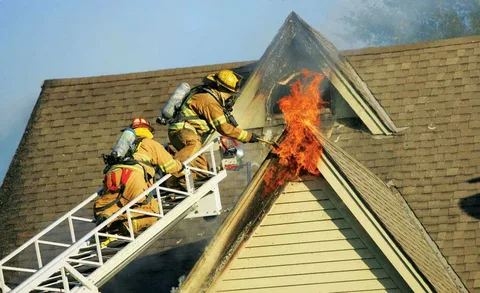
Need fire restoration service in El Paso TX? Learn what restoration covers, realistic timelines, insurance tips, and how to find the right local team fast.
The fire is out. The smoke has cleared enough to breathe. And now you’re standing in your home — or what’s left of it — trying to figure out what comes next. It’s one of the most disorienting moments a family can face, and the decisions made in the next 24 to 48 hours matter more than most people realize at the time.
Fire restoration in El Paso is not just about cleaning up what burned. It covers smoke damage that spread to rooms the fire never touched, soot corrosion on surfaces and hardware throughout the structure, water damage from firefighting operations, and the full reconstruction of materials that were damaged beyond cleaning. Done right, it returns a home to the condition it was in before the fire — or better. Done poorly, it leaves hidden problems that surface months later at significant cost and disruption.
We work with El Paso families through fire recovery regularly, and the ones who come through it best are the ones who understood the process before the crews arrived. AtFirst Relief, we want you to have that understanding — whether you’re reading this to prepare or because you’re already in the middle of it.
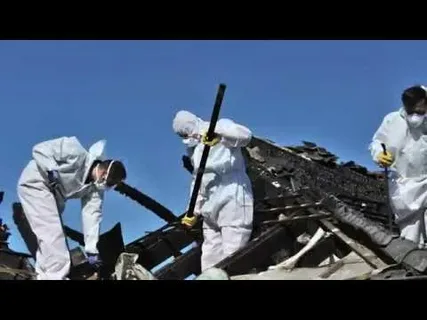
Why Fire Restoration in El Paso Is More Involved Than Most Families Expect
A lot of El Paso homeowners think fire restoration means cleaning the burned areas and repainting. That’s a fraction of what a complete restoration actually involves.
Smoke travels through an entire structure during a fire. It moves through HVAC systems, under door gaps, into wall cavities, and up through ceiling penetrations to reach rooms that never had a flame near them. Soot — the acidic black residue that smoke leaves behind — begins etching surfaces and corroding metal within hours. The longer it sits, the more damage it causes to finishes, fixtures, and structural components.
Water from firefighting is the other factor families underestimate. Fire suppression often uses significant water volume, and that water saturates floors, walls, and framing. In El Paso’s summer heat, wet structural materials in a closed building create ideal conditions for mold growth within 24 to 48 hours. Mold established inside walls during the period between fire and restoration is a separate problem from the fire damage — and an expensive one.
According to the National Fire Protection Association, the average residential fire results in direct property losses that consistently run into the tens of thousands of dollars before secondary damage is factored in. FEMA’s research on residential fire recovery documents that families who begin professional restoration within 24 to 48 hours of the fire consistently see lower total restoration costs and better preservation of structural materials than families who delay response by even a few days.
The El Paso climate adds specific urgency. The combination of summer heat and the rapid dry-out cycle that follows moisture exposure here can cause structural wood to check and crack as it dries — making materials that might have been salvaged in a cooler, slower-drying climate harder to save. Getting professional drying equipment on-site quickly is what makes the difference between saving the framing and replacing it.
The Fire Restoration Process: What Happens and When
Understanding what a complete fire restoration covers from start to finish helps you evaluate whether a contractor is doing the full job or leaving steps out.
Emergency stabilization is the first phase — before any cleaning or restoration work begins. Damaged roof sections get tarped. Breached walls and broken windows get boarded and covered. This protects what remains of the structure from additional weather damage and unauthorized entry while the full restoration process is organized.
Damage assessment documents the complete scope of fire, smoke, soot, and water damage throughout the property. Every affected room, every damaged material, every area of structural concern gets recorded in writing and photographs. This documentation is the foundation of the insurance claim and the restoration plan. A thorough assessment at this stage produces better insurance outcomes and reduces surprises during the restoration work.
Water extraction and structural drying addresses the suppression water in floors, walls, and framing. Commercial-grade air movers and dehumidifiers run continuously — typically three to five days or longer — with daily moisture monitoring to confirm drying is reaching inside wall assemblies, not just at the surface.
Soot and smoke cleanup removes residue from all affected surfaces using methods matched to the specific type of residue and the material being cleaned. This phase is more technical than it looks — wet smoke residue, dry smoke residue, and protein residue from kitchen fires all require different cleaning approaches, and using the wrong method either smears the residue deeper or damages the surface underneath.
Odor elimination treats smoke penetration in structural materials — drywall, framing, insulation, flooring — through professional deodorization methods including thermal fogging and ozone treatment. These methods reach inside porous materials in a way that surface cleaning cannot. Skipping this phase means the home continues to smell like smoke indefinitely.
Reconstruction replaces all materials that were removed or destroyed — drywall, flooring, cabinetry, structural framing where needed, and finish work throughout. This phase returns the home to its pre-fire condition.
Types of Fire Damage Found in El Paso Homes
El Paso homes experience several types of fire damage, and the type affects both the cleaning methods needed and the restoration timeline.
| Damage Type | Common Source | Residue or Effect | Key Restoration Step |
| Dry smoke residue | Fast-burning, high-heat fires | Powdery, easier to clean | Dry chemical sponge, HEPA vacuum |
| Wet smoke residue | Slow, smoldering fires | Sticky, strong odor | Specialized wet cleaning agents |
| Protein residue | Kitchen fire, food burning | Nearly invisible, extreme odor | Enzymatic cleaners, full deodorization |
| Fuel oil soot | Furnace puffback | Heavy, oily black coating | Multi-pass chemical cleaning |
| Structural fire damage | Direct flame contact | Charred or destroyed materials | Removal and reconstruction |
| Suppression water damage | Firefighting operations | Saturated floors, walls, framing | Extraction, structural drying |
Families looking for best fire restoration near me in El Paso TX should ask any restoration contractor they’re considering how they assess the type of damage present before starting work. A professional team identifies residue types and damage categories before proposing a scope — not after work has begun and unexpected issues start adding to the estimate.
How to Work With Your Insurance Company After a Fire in El Paso TX
Insurance is where many El Paso fire victims feel most lost — and where the decisions made in the first 48 hours have the biggest financial consequences.
Contact your homeowner’s insurance company immediately after the fire officials clear the property. Start the claim process before any cleanup begins. Get a claim number, confirm who your assigned adjuster will be, and ask specifically about emergency advance provisions for temporary housing and immediate expenses. Most Texas homeowner’s policies include these provisions but families often don’t know to request them.
Do not discard any damaged items before the adjuster visits. Everything that was damaged — even items that appear completely destroyed — needs to be documented and listed in the claim. Items discarded before documentation cannot be included in the settlement after the fact. The adjuster’s inspection of damaged items is what gets them covered.
Fire restoration service in El Paso TX from a professional team includes comprehensive damage documentation in the format insurance adjusters use — written reports, photographs, and detailed scope assessments that capture damage the adjuster might miss in a standard walkthrough. This documentation consistently produces more complete and accurate claim settlements than families self-reporting damage without professional support.
If your initial settlement determination seems lower than your actual losses, you have the right to dispute it with supporting documentation. A well-prepared supplemental claim — backed by a professional damage assessment that identifies all affected areas and materials — frequently results in a higher award. Working with a restoration team experienced in El Paso fire insurance claims means this process is handled professionally from day one, not patched together after a low initial determination.
What Fire Restoration Costs in El Paso TX
Realistic cost expectations help you evaluate proposals fairly and protect yourself from bids that leave out critical scope.
Minor fire restoration — a contained kitchen fire affecting one room with limited smoke spread — typically runs between $3,000 and $8,000 for professional cleanup, odor treatment, and limited reconstruction.
Moderate fire restoration — a fire that spread to multiple rooms, caused significant smoke damage throughout the home, and required substantial suppression water — generally runs between $15,000 and $45,000 depending on the materials involved and the extent of structural damage.
Significant fire restoration — events involving major structural damage, multiple rooms requiring full reconstruction, or roof penetration — can run $50,000 to $150,000 or more. At this level, reconstruction scope is extensive and insurance authorization timelines significantly affect the overall project duration.
One cost factor that surprises many El Paso families is content restoration. Professional restoration teams can save many items that appear to be total losses — clothing, furniture, electronics, documents — if they’re addressed quickly. Content pack-out and restoration is a service that reduces both replacement costs and emotional loss from the event. Ask specifically about this service when your restoration team arrives on-site, before any decisions are made about what to keep and what to discard.
Choosing the Right Fire Restoration Contractor in El Paso
Texas doesn’t have a specific fire restoration contractor license, but the IICRC (Institute of Inspection Cleaning and Restoration Certification) provides the industry’s professional credentials for fire and smoke restoration technicians. The FSRT (Fire and Smoke Restoration Technician) credential indicates specific training in the standards and methods that professional fire restoration requires. Ask any contractor you’re considering whether their technicians hold current IICRC FSRT certification.
Ask specifically about their documentation process for insurance claims. A contractor who has worked extensively with Texas homeowner’s insurance claims knows how to document damage in the format adjusters use and understands how to submit supplemental claims when additional damage is discovered during restoration. This experience directly affects your claim outcome.
Get a written scope of work that specifies what will be cleaned, what will be treated, what will be removed and replaced, and what testing and verification will be done at the end of each phase. A contractor who provides a lump-sum number with no breakdown is not giving you the information you need to evaluate the proposal or hold them accountable for specific deliverables.
References from recent fire restoration projects in El Paso or the surrounding area are worth following up on. Local experience with El Paso’s climate, housing stock, and insurance landscape matters in ways that a national franchise with no local track record can’t match.
Closing Thoughts
Fire restoration is the process that determines whether a home damaged by fire becomes a home again — or a source of ongoing problems for years. Getting it right means starting the professional response quickly, documenting everything thoroughly, choosing a contractor with genuine technical training and local experience, and staying engaged with the insurance process throughout.
For any homeowner in El Paso who has experienced a fire, the most practical thing we can say is this: call a professional team before you start cleaning anything yourself, and call your insurer before you move anything out of the property. Those two steps protect both the restoration outcome and the financial recovery.
First Relief serves El Paso and the surrounding West Texas region with professional fire restoration services, available 24 hours a day. Call us as soon as the fire officials clear your property — we respond fast and we know exactly what your home needs.
FAQs
How long does fire restoration take in El Paso TX? The timeline depends directly on the scope of the fire and the extent of secondary damage. Emergency stabilization and the initial damage assessment happen in the first day or two. The water extraction and structural drying phase typically takes three to seven days with professional equipment in place. Smoke and soot cleanup for a moderate fire affecting several rooms generally takes one to two weeks. Reconstruction — replacing drywall, flooring, cabinetry, and finishes — depends on the extent of the damage and insurance authorization, and can range from a few weeks for a contained event to three to six months for a significant fire with major structural repairs. Insurance approval timelines often affect the reconstruction schedule more than the physical work itself. A restoration company that handles both the mitigation and reconstruction phases under one roof reduces coordination delays and typically shortens the overall project timeline.
Does homeowner’s insurance in Texas cover the full cost of fire restoration? Standard Texas homeowner’s insurance covers fire as a named peril, including structural repairs, smoke and soot cleanup, water damage from firefighting, contents replacement up to policy limits, and additional living expenses while the home is uninhabitable. What coverage doesn’t mean is unlimited coverage — your policy has a dwelling coverage limit and a contents coverage limit that caps what the insurer will pay. If your home was underinsured — a common situation as construction costs have risen — the settlement may not cover full rebuilding costs. Review your dwelling coverage amount annually and compare it to current construction costs in El Paso. If there’s a gap, increasing your coverage before a loss is far less costly than discovering the gap afterward. A restoration contractor experienced with Texas insurance claims can help you understand whether your settlement reflects the full scope of your losses.
Can I stay in my home during fire restoration in El Paso TX? In most cases, no — at least not during the active mitigation and cleanup phases. Soot and smoke residue in the air and on surfaces contain combustion byproducts that pose respiratory health risks during the disturbance of cleaning. Deodorization treatments including ozone generation require the building to be vacated during and immediately after application. Most fire-affected homes are deemed uninhabitable by insurance adjusters during the active restoration period, which triggers the additional living expense provision in your policy covering temporary housing costs. As restoration progresses and specific areas are cleared and sealed, your contractor can advise on when parts of the home may be safe to occupy. Most homeowners are better served staying in temporary housing until the full restoration is complete than attempting to live in a partially restored space.
What is smoke damage and why is it so hard to clean completely? Smoke damage refers to the penetration of combustion byproducts — soot particles, acidic gases, and volatile organic compounds — into surfaces and materials throughout the structure. The challenge of complete smoke cleanup is that smoke doesn’t stay on surfaces the way physical debris does. It penetrates into porous materials — drywall paper, wood framing, insulation, carpet padding, and soft furnishings — at a molecular level. Surface cleaning removes what’s on top but leaves residue inside the material, which continues to off-gas odor compounds and cause surface damage over time. Complete smoke cleanup requires matching the cleaning method to the specific residue type and material, combined with professional deodorization methods that penetrate inside porous materials rather than just treating the surface. HEPA vacuuming, chemical sponge cleaning, wet cleaning agents, thermal fogging, and ozone treatment each play specific roles in a complete fire restoration. A contractor who uses one or two methods for everything is not achieving complete results.
How do I know if my fire restoration contractor is doing the job correctly? Several things indicate a contractor is operating professionally. They should provide a written damage assessment before work begins, not a verbal estimate. Their technicians should hold current IICRC certifications — specifically FSRT for fire and smoke work. They should use moisture meters and daily monitoring during the structural drying phase, not just set up equipment and come back when the equipment runs down. They should be able to explain which cleaning method they’re using for each surface and why. They should document the completed work with test results and photographs that can be shared with your insurance company. And they should walk you through the completed work before closing the job and asking for final payment. A contractor who meets all of these standards is operating at a professional level. One who deflects on any of them is worth questioning further before you commit.